
Trinity County Arrest Warrants Explained
A judge or magistrate issues an arrest warrant in Trinity County only after a complaint, affidavit, or other authorized basis meets the legal standard. The document names a person. It then directs an authorized officer to make an arrest. The issuing court holds the case file. The sheriff's system is not the only record source. Felony matters commonly route through the 258th or 411th Judicial District Court and the District Clerk in Trinity County. JP, County Court, and municipal judges can issue process within their own jurisdiction. Ask which court issued a specific warrant rather than relying on a general county search.
Trinity County Arrest Warrant Issuance Path
The path starts with a complaint or affidavit. A peace officer or prosecutor presents it to a Trinity County magistrate. If the legal standard is met, the judge issues process to an authorized peace officer. Texas Code of Criminal Procedure Chapter 15 governs execution. The officer must make the authority known. A requested warrant is shown as soon as practicable. The county's public pages expose no local warrant form or public warrant list. A sealed charging paper or active investigation may limit what appears online. The District Clerk or issuing court can tell a caller which public case record may be requested in Trinity County. The District Clerk's official page is a starting point for district case files and records requests. It publishes no searchable arrest-warrant roster.
Inside a Trinity County Arrest Warrant
Trinity County posts no sample warrant listing. No warrant-number format is published either. The fields in this section are record elements to ask a clerk about, not claims that each one appears on a public site. A cause number can tie the warrant to its case and help the clerk find the file.
| Case number | Cause or docket number; local warrant-number format is not published. |
|---|---|
| Issuing authority | Judge or magistrate and the court with the case file. |
| Offense | Charge description and classification, subject to sealing or redaction. |
| Bond | Amount and type must be confirmed; Trinity has no public county schedule. |
| Status and return | Ask if active, executed, recalled, or quashed; local codes are not published. |
| Service agency | Sheriff, constable, city police, or another authorized officer. |
Trinity County Arrest Warrant Clerk Routing
Two district courts handle Trinity County felonies. The 258th and 411th Judicial District Courts keep their files with the District Clerk. Administrative court offices sit in Livingston. Call the District Clerk at 936-642-1118 with a name or cause number, and ask which coordinator handles the case. County Court and County Clerk records follow a separate route. The county's court-system directory outlines the local court branches. A clerk may locate a public docket entry but cannot release sealed or juvenile material. For a family or child-support order, identify the family case before calling the sheriff. Federal cases run on a separate docket through the U.S. District Court for the Eastern District of Texas, Lufkin Division. Its Lufkin location page gives the federal contact route.
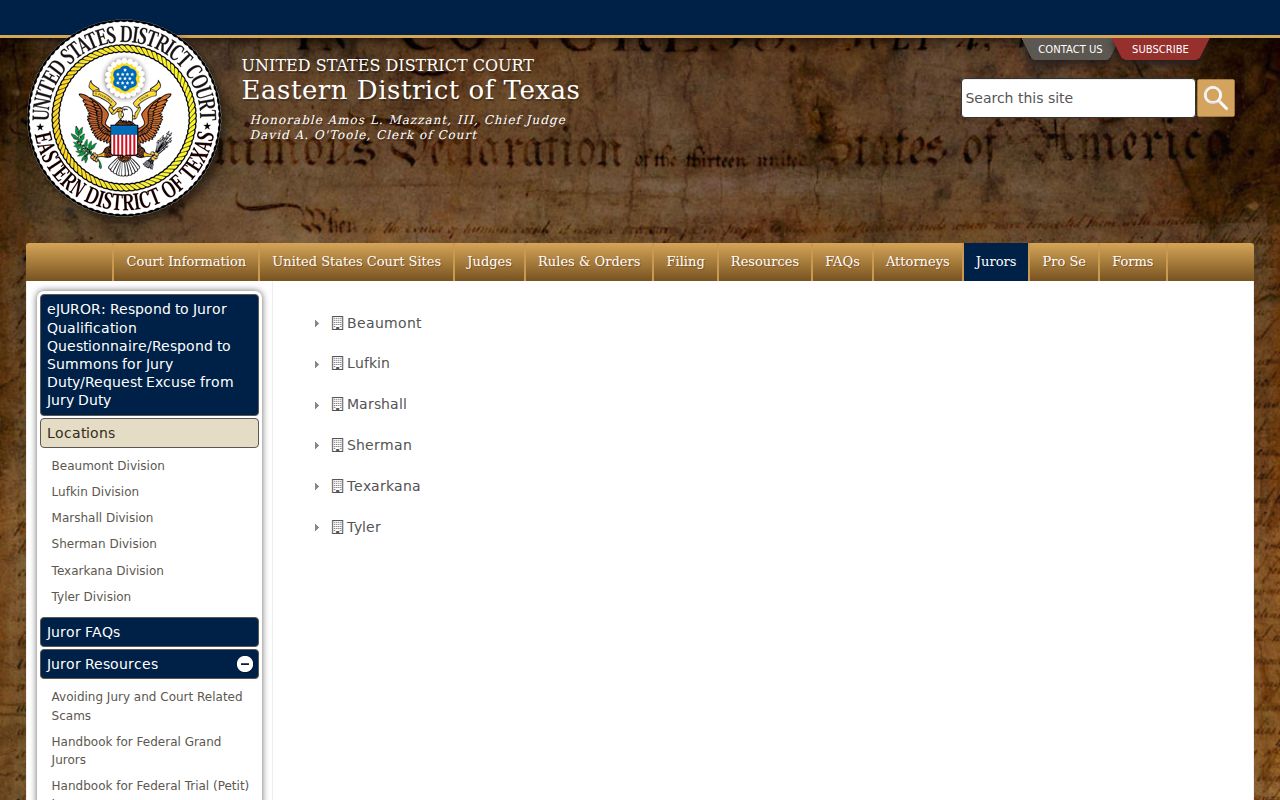
That directory lists the Lufkin Division location. It is separate from Trinity County's District Clerk. For federal docket access, PACER explains its fee rules, though a federal docket search is not a current warrant roster.
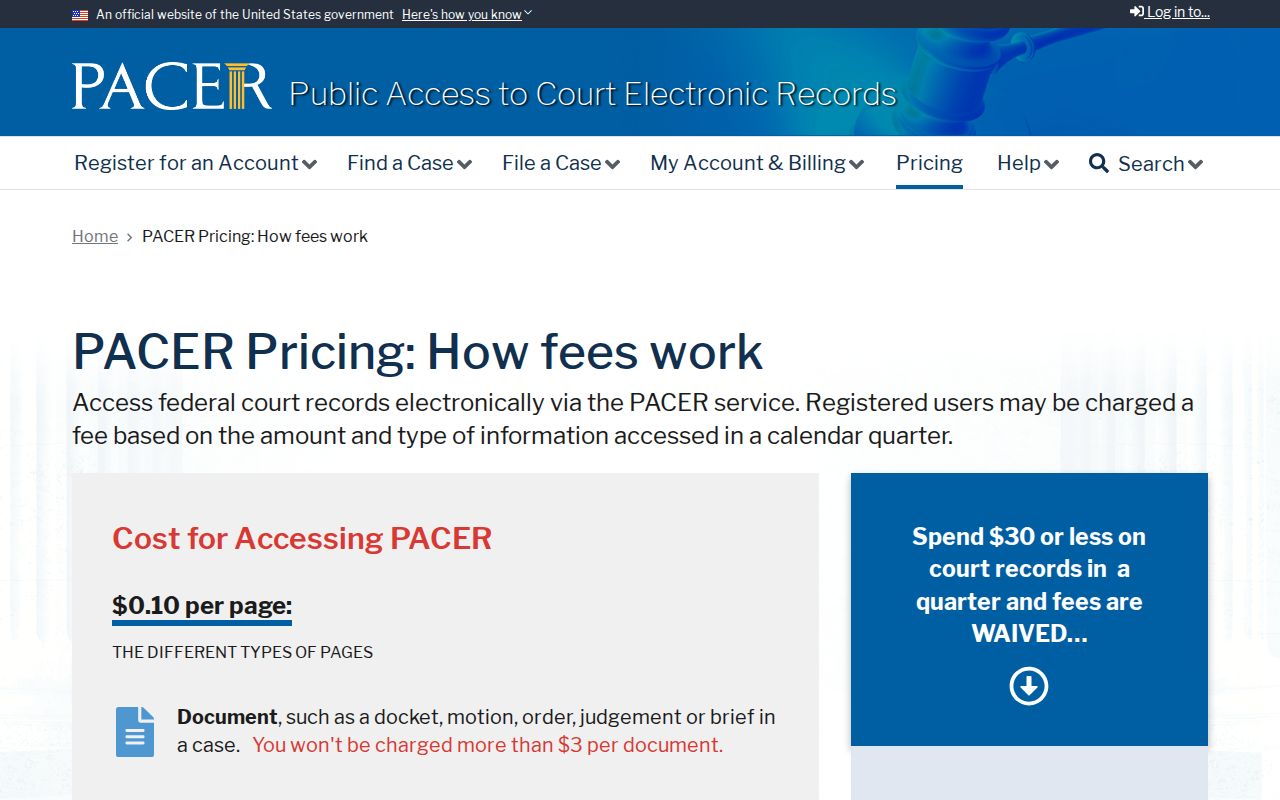
The PACER page lays out the access charges for federal case records, but only the issuing court can speak to a warrant's status in Trinity County.
Serving Arrest Warrants in Trinity County
Authorized peace officers execute warrant process in Trinity County. The Sheriff's Office is the countywide law-enforcement and jail contact at 936-642-1424. Four county constables publish a narrower service statement. They execute misdemeanor traffic and hot-check warrants. City police or other officers may serve municipal process. Do not assume one office serves every warrant. Texas law allows execution under its statutory rules, but the county posts no patrol schedule and no warrant-unit window. Ask the sheriff or issuing court whether service can be confirmed and where a procedural question should go. The official Sheriff's Office page gives the county contact route, so call before appearing, since no local surrender hours are posted.
Trinity County Arrest Warrant Service Roles
Trinity County's court structure splits records and service. A JP clerk may hold a traffic or Class C case. A constable may execute the resulting misdemeanor process. Groveton Municipal Court keeps the city tickets. A published city notice says the county sheriff provides police protection in Groveton until further notice, and Trinity's city site lists ticket payment but no public warrant desk.
| Office | Local role found | Best question |
|---|---|---|
| Sheriff | County law enforcement and jail | Can you confirm service or identify the issuing court? |
| Constables | Misdemeanor traffic and hot-check warrant service | Which precinct is assigned? |
| City court | City citation and ordinance process | What is the current court status? |
In Trinity County, the records and the service can belong to different offices, so start any warrant question with the issuing court.
Arrest Warrant, Summons, and Bench Warrant
In Trinity County, an arrest warrant lets an officer take a person into custody. A summons is different. It is a court notice to appear. A bench warrant follows a missed obligation or contempt. A capias pro fine comes later. It follows a judgment and a failure to satisfy the fine or costs after the required steps. These labels matter in Trinity County, since the issuing court, the bond question, and the next hearing can differ. Ask the clerk to read the exact process name from the case, and remember that a recall may not dismiss the charge or close it, while a bond may only secure release and a later appearance.
Trinity County Arrest Warrant Confirmation Steps
Pick up the phone before you do anything else. Trinity County has two offices worth calling: the clerk of the court that issued the warrant, and the sheriff's office that would serve it. Numbers on official pages are the safe ones to use. When you reach a live person, nail down what the paper actually is, since a capias, a sealed indictment, a summons, and a bond-forfeiture matter each move differently. Get the case number and the court that controls it. Ask too whether the affidavit behind the warrant is public record or sealed. Trinity County posts no bond schedule and no published walk-in surrender process, so amounts and steps have to come from the court itself. A defense lawyer can then arrange a controlled surrender, work out bond, or file a motion on your behalf. Skip unplanned trips based on an online comment, and hang up on callers demanding payment. If a family member is helping, have them ask the clerk what consent or identification is needed before any restricted details are shared.
Trinity County Juvenile Warrant Access Limits
Not everything hides behind a paywall. Some Trinity County records are closed by law. Texas Family Code section 58.010 keeps juvenile arrest warrants and their supporting complaints confidential, open only to authorized recipients. A search-warrant affidavit may sit under seal through Chapter 18, and Government Code section 552.108 can shield certain law-enforcement records tied to investigation or prosecution.
Public access: Code of Criminal Procedure Chapter 15 sets arrest execution rules; Family Code §58.010 protects juvenile warrant material.
A blank online entry proves little. It can mean access limits, a different clerk, or simply no public portal in Trinity County. Ask the issuing court what may be released.
If There's an Arrest Warrant for You
Pin down the issuing court and the exact status before you pick a next step. Ask whether an attorney can contact the court for you, whether a voluntary appearance is accepted, what bond terms apply, where booking happens, and how a recall or release gets documented. Trinity County posts no jail bond window hours and no standard bond schedule.
Get case-specific advice: speak with a lawyer before an unplanned surrender. The sheriff and court can confirm process, but they do not replace legal counsel.
After any appearance, keep your receipt or order. Ask for the next court date. A warrant can be cleared while the underlying case keeps going. For broader county steps, see the Trinity County warrant resolution overview.